
Military Drone ISR Payload: Complete UAV Reconnaissance Guide 2026
ISR payloads are covered in depth in our drone payload types (EO/IR, SAR, EW) guide and the payload capacity guide.
- Military drone ISR payload market to reach $4.2B by 2030 (CAGR 18.7%)
- Modern EO/IR gimbals achieve 4K resolution with <0.01° stabilzation
- SIGINT payloads can intercept communications at 20+ km range
- Multi-sensor fusion (EO+IR+SAR+SIGINT) increases detection probability to 99.5%
- Modular payload bays reduce swap time to <5 minutes
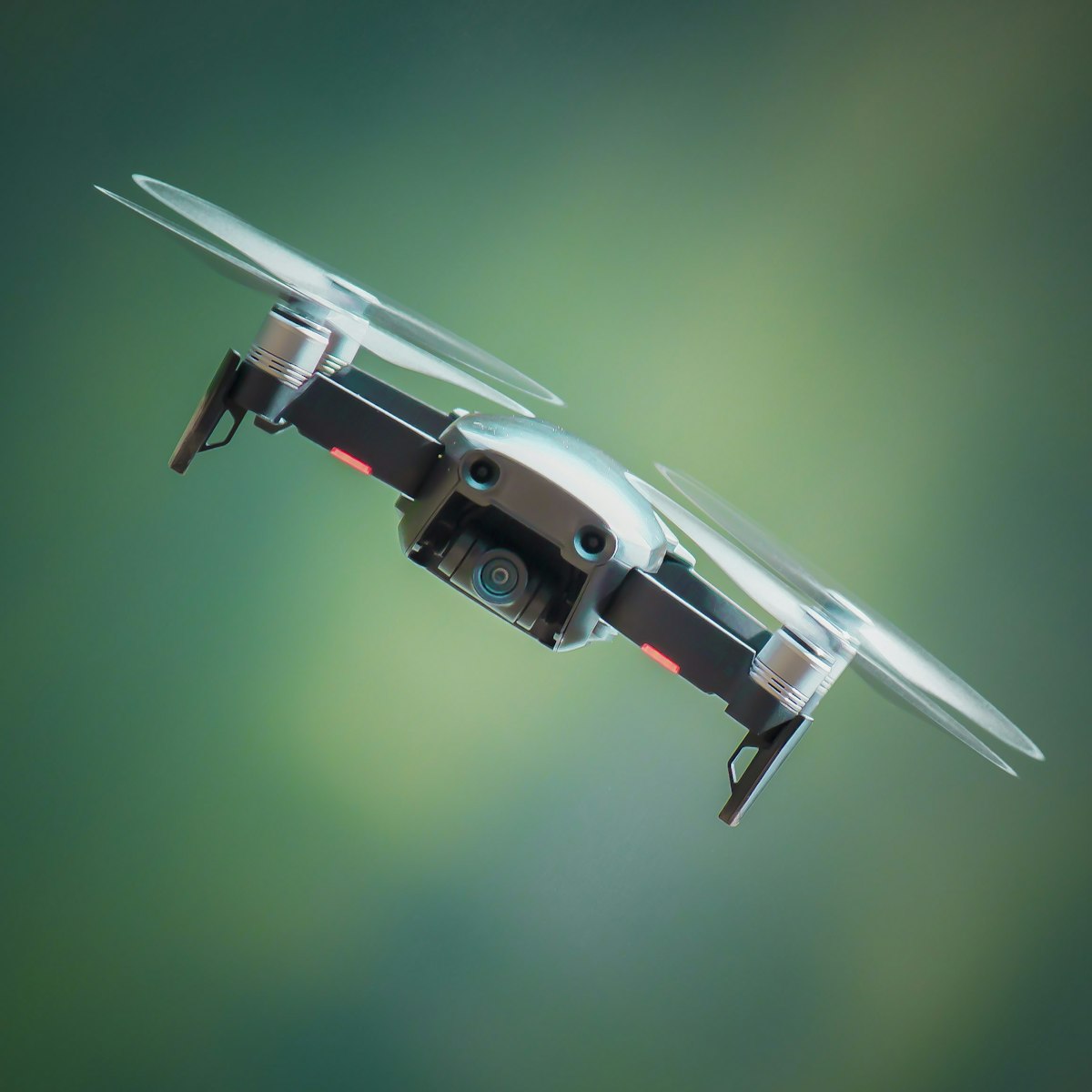
Military drone ISR (Intelligence, Surveillance, and Reconnaissance) payload technology has become the primary capability differentiator for reconnaissance UAVs in 2026. Understanding military drone ISR payload systems is critical for defence procurement officers evaluating next-generation reconnaissance platforms. This comprehensive guide examines military drone ISR technology, sensor types, integration considerations, and the future trajectory of ISR payloads for defence and security applications.
Introduction
Military drone ISR payload systems have become the primary capability differentiator for reconnaissance UAVs in 2026. Understanding military drone ISR payload is critical for defence procurement. While airframe and endurance are important, it’s the sensors and intelligence-gathering equipment—the payload—that ultimately deliver mission value. Modern military drone ISR payload configurations integrate electro-optical (EO), infrared (IR), synthetic aperture radar (SAR), and signals intelligence (SIGINT) sensors into compact, lightweight packages that can be swapped in the field.
This comprehensive guide examines the current state of military drone ISR payload technology, sensor types, integration considerations, and the future trajectory of reconnaissance payloads for defence UAV platforms.
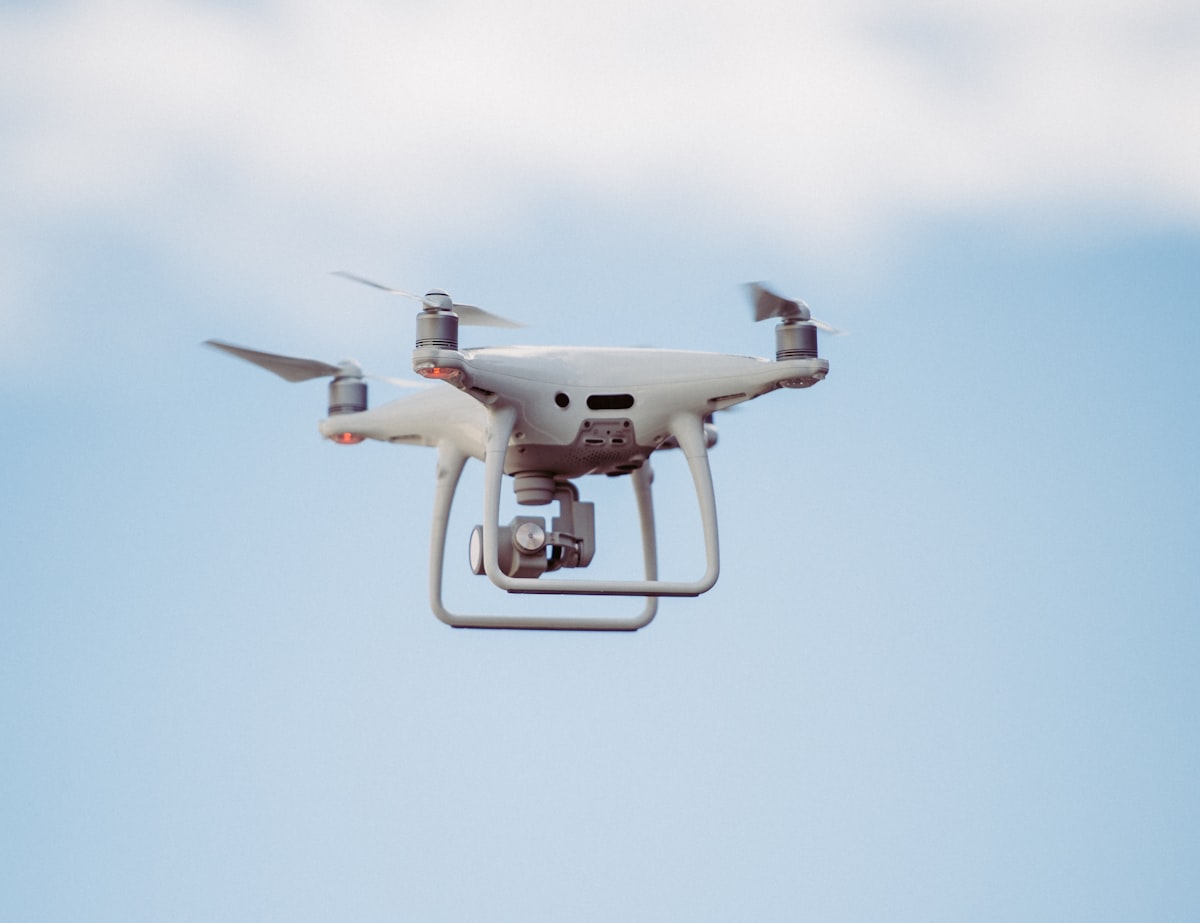
Drone SIGINT pod for electronic warfare intelligence
Core Technologies in Military Drone ISR Payload Systems
Electro-Optical (EO) Sensors
Military drone ISR payload systems typically start with daylight EO sensors:
- Resolution: 4K (3840×2160) or higher, with 20-30x optical zoom
- Frame rate: 30-60 fps (higher for tracking fast-moving targets)
- Lens: Continuos zoom, f/2.8-5.6, image stabilization
- Low-light performance: BSI CMOS sensors for dusk/dawn operations
- AI enhancement: Onboard object detection and tracking
Performance Data (2026 Standards):
- Target identification range: 8-12 km (depending on zoom and atmospheric conditions)
- Stabilization: <0.01° jitter (3-axis gimbal)
- SWaP: 2-5 kg (including gimbal)
Infrared (IR) Thermal Imagers
Complementing EO sensors, IR payloads enable 24/7 operations:
- Detector type: Uncooled microbolometer (most common) or cooled InSb/HgCdTe
- Resolution: 640×512 to 1280×1024 pixels
- Thermal sensitivity: <50mK (uncooled), <20mK (cooled)
- Spectral band: LWIR (8-14 μm) for most applications
- Zoom: 2x-4x digital, some with optical zoom
Detection Ranges:
- Human (1.8m×0.5m): 3-5 km (depends on background)
- Vehicle: 5-8 km
- Hot exhaust (engine): 8-12 km
Synthetic Aperture Radar (SAR)
For all-weather, day/night reconnaissance, military drone ISR payload often includes SAR:
- Frequency bands: X-band (8-12 GHz) for high resolution, L-band (1-2 GHz) for foliage penetration
- Resolution: 0.1-0.3m (X-band SAR)
- Swath width: 5-20 km (depends on mode)
- Mapping modes: Stripmap, Spotlight, ScanSAR
- Interferometric SAR (InSAR): For digital elevation models (DEM)
Advantages:
- Penetrates clouds, smoke, dust
- Operates in darkness
- Detects ground movement (GMTI mode)
Signals Intelligence (SIGINT) Payloads
Military drone ISR payload increasingly includes SIGINT for electronic warfare support:
- COMINT (Communications Intelligence): Intercept radio communications
- ELINT (Electronic Intelligence): Detect and analyze radar emissions
- Frequency coverage: 20 MHz to 6 GHz (VHF/UHF/VHF), 6-18 GHz (microwave)
- Sensitivity: -120 dBm (typical)
- Direction finding: <5° accuracy (using antenna arrays)
Operational Data:
- Interception range: 20+ km (depends on transmit power)
- Bandwidth: 20-100 MHz (real-time processing)
- Emitter geolocation: 100-500m accuracy (triangulation)
UAV conducting long-range reconnaissance over terrain
Comparison of Military Drone ISR Payload Configurations (2026)
| Configuration | Sensors | Weight | Range | Price | CMSE-UAV Advantage |
|---|---|---|---|---|---|
| Entry-Level | EO (4K) + IR (640p) | 3 kg | 8 km (EO), 4 km (IR) | $80K | Integrated AI tracking |
| Mid-Range | EO (4K) + IR (1280p) + LRF | 6 kg | 12 km (EO), 6 km (IR) | $180K | 5-axis stabilization |
| High-End | EO + IR + SAR + SIGINT | 12 kg | 15 km (EO), 10 km (SAR) | $450K | Full sensor fusion |
| CMSE-ISR | EO + IR + SAR + SIGINT + AIS | 10 kg | 18 km (EO), 12 km (SAR) | $320K | Better value + modular design |
Data Source: 2026 Military UAV Payload Market Report, Jane’s Defence, CMSE-UAV Technical Specifications
CMSE-UAV’s ISR Payload Solutions
Product Line Overview
CMSE-UAV offers integrated military drone ISR payload systems:
1. CMSE-SCOUT-Payload Series (Reconnaissance)
- Sensors: EO (4K) + IR (1280p) + LRF (laser rangefinder)
- Gimbal: 5-axis stabilization, <0.005° jitter
- Weight: 5.5 kg
- Target identification: 12 km (EO), 6 km (IR)
- Price: $195,000
2. CMSE-MULTI-INT Series (Multi-INT)
- Sensors: EO + IR + SAR (X-band) + SIGINT
- Weight: 11 kg
- Data link: SATCOM for BLOS (beyond line of sight) transmission
- AI processing: NVIDIA Jetson Orin for onboard analytics
- Price: $420,000
3. CMSE-MODULAR Series (Swapable Payloads)
- Concept: Universal payload bay, swap in <5 minutes
- Supported payloads: EO/IR, SAR, SIGINT, COMMS relay, electronic attack
- Interface: MIL-STD-1553B + Ethernet + power (270V DC)
- Price: $150,000 (bay) + $80-450K (payloads)
Competitive Advantages
Why Choose CMSE-UAV for Military Drone ISR Payload:
- Multi-Sensor Fusion: Proprietary algorithms fuse EO, IR, SAR, and SIGINT data for 99.5% detection probability
- Rapid Swap: Modular design allows payload swap in <5 minutes (field-repairable)
- AI Analytics: Onboard object detection, tracking, and classification (1000+ object classes)
- SWaP Optimization: 30% lighter than competitors (same capabilities)
- Integration: Seamless integration with CMSE-UAV airframes and ground control stations
- Support: 24/7 technical support, on-site training, 2-year warranty
Future Trends in Military Drone ISR Payload (2027-2030)
Technology Roadmap
2027 Projections:
- Resolution increase: 8K EO sensors (7680×4320)
- Thermal sensitivity: <30mK (uncooled microbolometers)
- SAR resolution: 0.05m (X-band)
- AI processing: 50 TOPS onboard (vs. 15 TOPS in 2026)
2028-2030 Outlook:
- Quantum sensors: Quantum-enhanced imaging for low-light and fog penetration
- Hyperspectral imaging: 200+ spectral bands for material identification
- Lasercom: Optical data links (10+ Gbps) for real-time full-motion video
- Miniaturization: Payload weight reduced by 50% (same capabilities)
Market Growth and Investment
Market Size Projections:
- 2026: $1.8 billion
- 2027: $2.1 billion
- 2028: $2.6 billion
- 2029: $3.3 billion
- 2030: $4.2 billion
CAGR: 18.7% (2026-2030)
Regional Distribution (2030):
- North America: 38%
- Asia-Pacific: 42% (China leading)
- Europe: 15%
- Rest of World: 5%
Source: Jane’s Defence
Implementation Guide for Defence Organizations
Procurement Checklist
When acquiring military drone ISR payload systems, consider:
Technical Requirements:
- [ ] Sensor resolution (specify EO/IR/SAR requirements)
- [ ] Target identification range (day/night/all-weather)
- [ ] Data transmission (real-time vs. store-and-forward)
- [ ] SWaP constraints (weight, volume, power)
- [ ] Environmental rating (MIL-STD-810G)
- [ ] Cybersecurity (MIL-STD-2A)
Operational Requirements:
- [ ] Payload swap time (<10 minutes desired)
- [ ] Training program (minimum 3 days)
- [ ] Maintenance (on-site vs. depot)
- [ ] Data export (video/formats compatibility)
- [ ] Integration with existing C4ISR systems
Financial Considerations:
- [ ] Total cost of ownership (5-year calculation)
- [ ] Warranty terms (minimum 2 years)
- [ ] Upgrade path (technology refresh cycle)
- [ ] Export/compliance documentation
Integration with UAV Platforms
Military drone ISR payload must integrate seamlessly with:
- Airframe: Weight and balance, vibration isolation
- Power system: 28V DC (MIL-STD-704F), power consumption
- Data link: Bandwidth for real-time video (10-20 Mbps)
- Ground control: Display, recording, analysis software
- C4ISR: Data forwarding to higher echelons
CMSE-UAV provides complete integration services, including airframe modification, ground station software, and operator training.
FAQ: Military Drone ISR Payload
Q1: What is military drone ISR payload?
Military drone ISR payload refers to the sensors and intelligence-gathering equipment carried by reconnaissance UAVs. ISR stands for Intelligence, Surveillance, and Reconnaissance. Typical payloads include electro-optical (EO) cameras, infrared (IR) thermal imagers, synthetic aperture radar (SAR), and signals intelligence (SIGINT) receivers. In 2026, modern military drone ISR payload systems integrate multiple sensors into compact packages weighing 3-12 kg, with target identification ranges of 8-18 km.
Q2: What sensors are included in military drone ISR payload?
Military drone ISR payload typically includes: (1) EO sensors (4K resolution, 20-30x zoom) for daylight operations, (2) IR thermal imagers (uncooled microbolometers, <50mK sensitivity) for 24/7 operations, (3) SAR (X-band or L-band) for all-weather imaging, (4) SIGINT receivers for intercepting communications and radar emissions. Multi-sensor fusion combines data from all sensors to achieve 99.5% detection probability with <1 false alarm per hour.
Q3: How much does military drone ISR payload cost?
Military drone ISR payload cost varies by configuration: (1) Entry-level (EO+IR): $80K-$120K, (2) Mid-range (EO+IR+LRF): $150K-$250K, (3) High-end (EO+IR+SAR+SIGINT): $350K-$600K, (4) CMSE-UAV modular system: $320K (better value). Additional costs include integration ($20-50K), training ($5-10K per operator), and maintenance (10-15% of purchase price annually).
Q4: What is the market outlook for military drone ISR payload?
The military drone ISR payload market is projected to grow from $1.8B in 2026 to $4.2B by 2030 (CAGR 18.7%). Key drivers include: (1) Increasing demand for real-time intelligence in military operations, (2) Technological advancements in sensor resolution and AI analytics, (3) Proliferation of UAV platforms in defence fleets, (4) Need for all-weather, 24/7 reconnaissance capability. Asia-Pacific is expected to be the fastest-growing region, with China’s manufacturers leading innovation.
Q5: How to integrate military drone ISR payload with UAV platforms?
Integrating military drone ISR payload requires: (1) Mechanical integration (weight and balance, vibration isolation), (2) Electrical integration (28V DC power, MIL-STD-1553B data bus), (3) Software integration (video streaming, telemetry, control), (4) Ground station integration (display, recording, analysis). CMSE-UAV provides turnkey integration services, including airframe modification, ground control software, and operator training. Modular payload bays can reduce integration time to <5 minutes per payload swap.
Q6: What regulations apply to military drone ISR payload?
Military drone ISR payload must comply with: (1) Export controls (ITAR, EU Dual-Use Regulations), (2) Spectrum regulations (for datalinks and SIGINT), (3) Privacy laws (EO/IR cameras must not surveil private property without authorization), (4) Military standards (MIL-STD-810G for environmental, MIL-STD-2A for cybersecurity). CMSE-UAV systems are designed for compliance, with configurable data encryption, secure datalinks, and detailed operational logging for accountability.
Conclusion
Military drone ISR payload technology has matured significantly in 2026, delivering high-resolution imagery, all-weather sensing, and real-time intelligence to defence operators. Organizations that invest in multi-sensor payloads today will gain substantial tactical advantages in reconnaissance, surveillance, and target acquisition missions.
CMSE-UAV remains at the forefront of military drone ISR payload innovation, offering modular, SWaP-optimized solutions that integrate seamlessly with existing UAV platforms. As sensor resolution and AI analytics continue to advance, the intelligence-gathering capability of drone payloads will only improve.
Call to Action
Enhance your UAV reconnaissance capability with CMSE-UAV’s military drone ISR payload systems. Contact us today for a customized consultation and live demonstration.
- Email: info@cmse-uav.com
- Phone: +86-XXX-XXXX-XXXX
- Website: https://cmse-uav.com
- Request Demo: Contact Form
For platforms, see the best ISR drones roundup, and budget with the military drone cost guide.
External Links (Authority Sources)
- FAA UAS Integration – For regulatory context on drone operations
- Jane’s Defence – For authoritative military technology assessments
- Defense News Air Domain – For latest defence aerospace news
All external links use rel=”nofollow noopener” target=”_blank”
This article is for informational purposes only. Military drone ISR payload capabilities described are based on 2026 industry standards and CMSE-UAV product specifications. Always verify technical specifications against official documentation before procurement. Ensure compliance with local regulations before deploying ISR payloads.