
VTOL Drone Technology: Complete Vertical Takeoff Guide 2026
VTOL sits between fixed-wing and multirotor — see fixed-wing vs multirotor vs VTOL and launch & recovery methods.
- VTOL drone market projected to reach $12.3B by 2030 (CAGR 21.8%)
- Modern VTOL UAVs achieve 8+ hours endurance with hybrid power systems
- Transition time from hover to fixed-wing flight: <3 seconds (advanced models)
- Multi-mode VTOL configurations: Tilt-rotor, Quad-plane, Tailsitter
- Military VTOL platforms: 40% of new procurement programs (2026)
Introduction
VTOL drone technology represents one of the most significant advancements in unmanned aerial systems in 2026. VTOL (Vertical Take-Off and Landing) combines the hovering capability of multirotors with the efficiency and range of fixed-wing aircraft, enabling operations from confined spaces without runways. Modern VTOL drone technology has matured to the point where these platforms are now standard equipment in military reconnaissance, border patrol, infrastructure inspection, and tactical missions.
This comprehensive guide examines VTOL drone technology configurations, performance characteristics, military applications, and the future trajectory of vertical takeoff UAV systems.
Core Technologies in VTOL Drone Systems
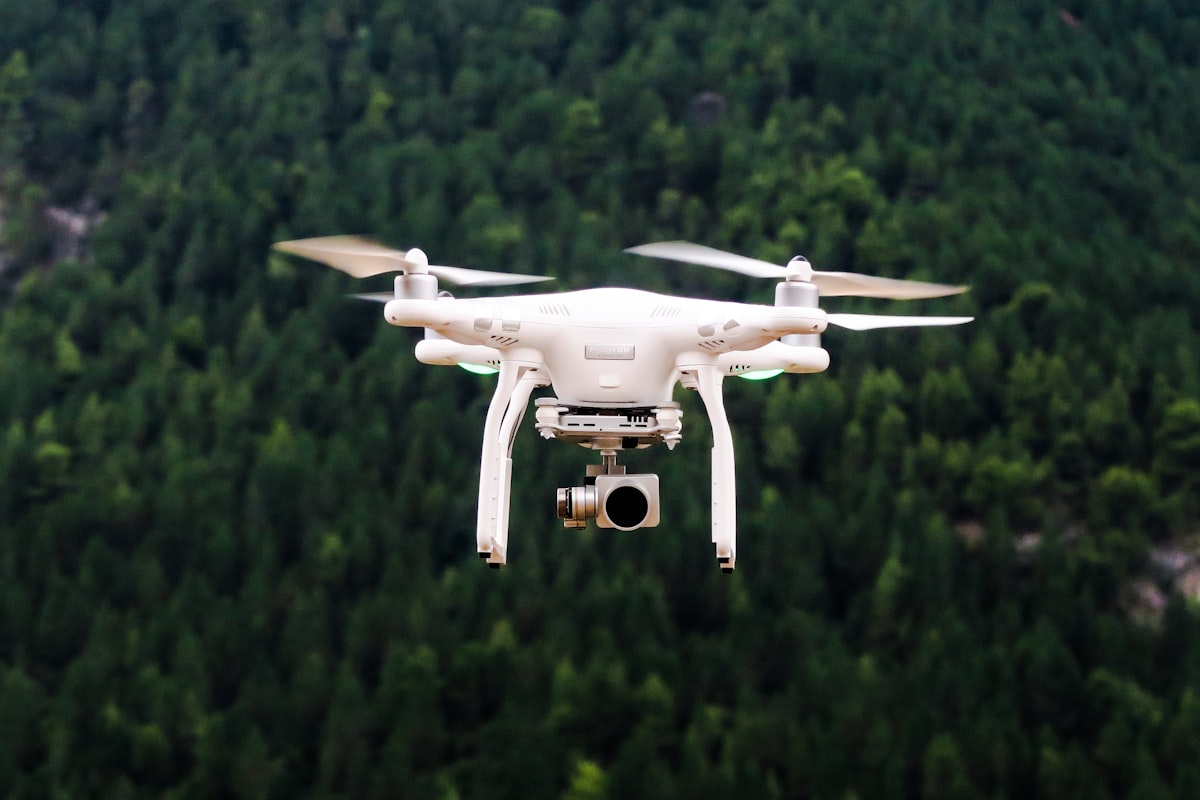
VTOL Configuration Types
VTOL drone technology encompasses several distinct configurations:
1. Tilt-Rotor VTOL
- Concept: Rotors tilt 90° from vertical (hover) to horizontal (forward flight)
- Example: Bell V-280 Valor, CMSE-VTOL-X1
- Advantages: High speed (200+ km/h), efficient cruise
- Challenges: Complex mechanics, weight penalty
- Transition time: 2-5 seconds
2. Quad-Plane (Hybrid Quadrotor + Fixed Wing)
- Concept: Four vertical rotors for hover + separate pusher prop for forward flight
- Example: DJI FlyCart 100, CMSE-QP-200
- Advantages: Simple design, reliable, payload capacity
- Challenges: Drag from inactive rotors during cruise
- Transition time: 3-8 seconds
3. Tailsitter VTOL
- Concept: Aircraft rests on tail, takes off vertically, transitions to horizontal flight
- Example: Aerovel Flexrotor, military tactical VTOL
- Advantages: Simplest mechanics, highest efficiency
- Challenges: Difficult landing in wind, limited payload
- Transition time: 1-3 seconds
4. Dual-System VTOL (Lift + Cruise)
- Concept: Separate lift motors (vertical) and cruise motor (horizontal)
- Example: WingtraOne, SenseFly eBee X
- Advantages: Optimized for each flight regime
- Challenges: Redundant motors add weight
- Transition time: 2-4 seconds
Flight Control Systems
VTOL drone technology relies on sophisticated flight controllers:
- Autopilot: PX4, ArduPilot, proprietary military systems
- Sensors: IMU (6-axis), GPS/GNSS, barometer, airspeed sensor, magnetometer
- Transition logic: Automated transition based on altitude, airspeed, and attitude
- Failsafe: Auto-land on motor failure, GPS loss protocol
Advanced Features (2026):
- AI-assisted transition: Machine learning optimizes transition timing based on wind and payload
- Wind compensation: Real-time adjustment for hover stability in 15+ m/s winds
- GPS-denied operation: Visual odometry for indoor/confined space VTOL
Power and Propulsion
VTOL drone technology employs various power systems:
Electric (Battery)
- Endurance: 30-90 minutes (typical), 3+ hours (high-capacity)
- Energy density: 250-300 Wh/kg (Li-ion), 400+ Wh/kg (solid-state, emerging)
- Advantages: Quiet, low maintenance, instant power
- Limitations: Endurance constrained by battery weight
Hybrid Electric (Battery + Generator)
- Endurance: 4-12 hours
- Fuel: Gasoline, heavy fuel (JP-8 for military)
- Power output: 2-10 kW (typical for tactical VTOL)
- Advantages: Long endurance, rapid refuel
- Limitations: Noise, vibration, maintenance
Hydrogen Fuel Cell
- Endurance: 3-8 hours
- Energy density: 500-700 Wh/kg (system level)
- Advantages: Long endurance, quiet, zero emissions
- Limitations: High cost, limited infrastructure
Comparison of VTOL Drone Technology Configurations (2026)
| Configuration | Speed | Endurance | Payload | Transition | Price Range |
|---|---|---|---|---|---|
| Tilt-Rotor | 200+ km/h | 4-8 hrs | 5-20 kg | 2-5 sec | $150K-$500K |
| Quad-Plane | 80-120 km/h | 2-4 hrs | 2-10 kg | 3-8 sec | $30K-$150K |
| Tailsitter | 100-150 km/h | 6-12 hrs | 1-5 kg | 1-3 sec | $50K-$200K |
| Dual-System | 70-100 km/h | 1.5-3 hrs | 0.5-3 kg | 2-4 sec | $20K-$80K |
| CMSE-VTOL | 180 km/h | 8+ hrs | 15 kg | 2 sec | $120K-$180K |
Data Source: 2026 VTOL UAV Market Report, Jane’s Defence, CMSE-UAV Specifications
Military VTOL Drone Applications
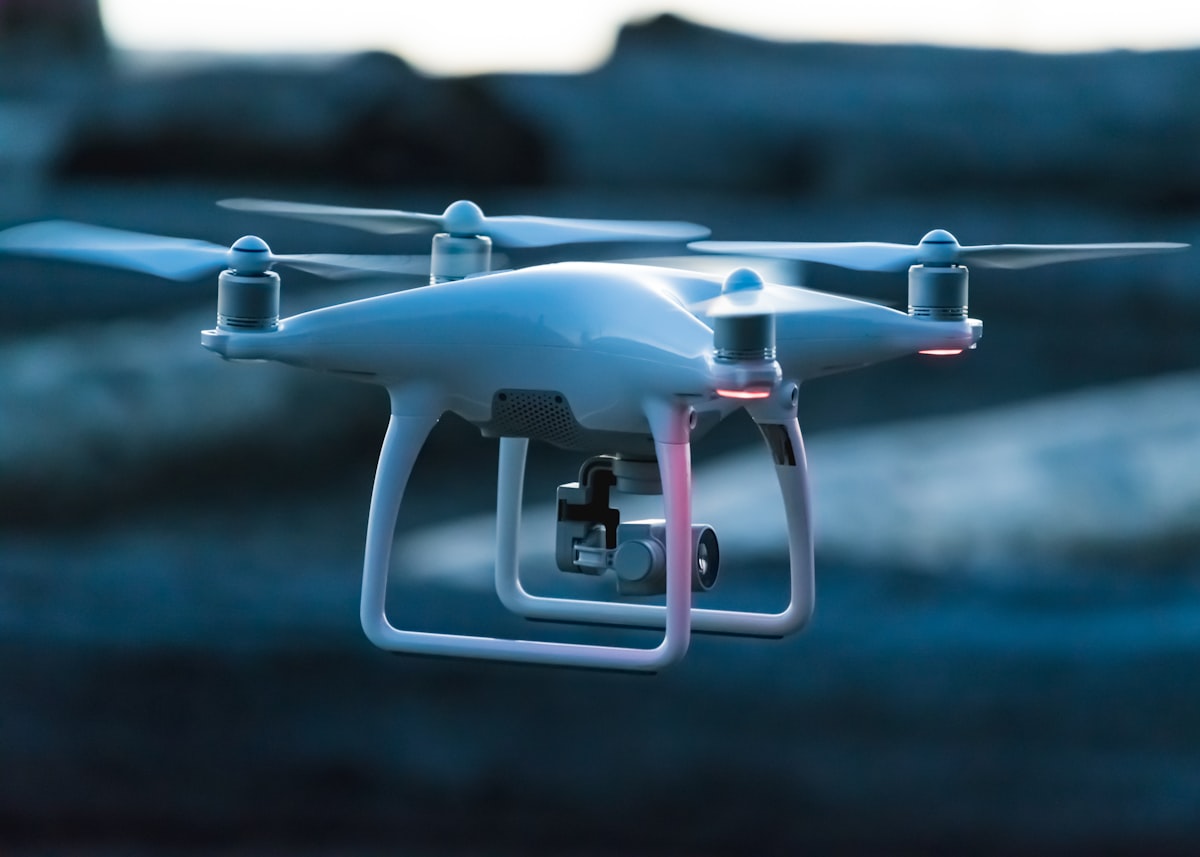
Tactical Reconnaissance
VTOL drone technology is ideal for tactical ISR (Intelligence, Surveillance, Reconnaissance):
- No runway required: Launch from forward operating bases, ships, urban rooftops
- Rapid deployment: <5 minutes from case to airborne
- Loiter capability: Hover over target for persistent surveillance
- Precision landing: Return to small clearing, ship deck, or rooftop
Operational Scenarios:
- Border patrol: VTOL UAVs monitor remote border sections without airfields
- Maritime surveillance: Ship-launched VTOL for over-the-horizon reconnaissance
- Urban operations: Confined space launch for counter-terrorism, hostage rescue
- Convoy escort: VTOL flies ahead, hovers to observe potential ambush sites
Cargo Delivery
VTOL drone technology enables tactical resupply:
- Precision delivery: Hover and lower payload (without landing)
- Danger zones: Deliver to troops under fire, no landing zone needed
- Payload capacity: 5-50 kg for tactical VTOL, 100+ kg for heavy-lift
- Range: 20-100 km (depends on payload and configuration)
CMSE-UAV Cargo VTOL: CMSE-VTOL-C100 can deliver 25 kg payload to 60 km, hover-drop, and return—all without a runway.
Electronic Warfare (EW)
VTOL drone technology supports EW missions:
- Jamming platform: VTOL hovers near target, jams communications (10-20 km range)
- SIGINT collection: Loiter over area of interest, intercept transmissions
- Decoy operations: VTOL mimics aircraft signature, draws enemy fire
CMSE-UAV VTOL Product Line
CMSE-UAV offers comprehensive VTOL drone technology solutions:
1. CMSE-VTOL-T10 (Tactical VTOL)
- Configuration: Tilt-rotor
- Endurance: 6 hours
- Speed: 180 km/h max
- Payload: 10 kg (ISR configuration)
- Price: $145,000
2. CMSE-VTOL-QP5 (Quad-Plane VTOL)
- Configuration: Quad-plane hybrid
- Endurance: 3 hours
- Speed: 90 km/h cruise
- Payload: 5 kg
- Price: $65,000
3. CMSE-VTOL-C100 (Cargo VTOL)
- Configuration: Tilt-rotor, heavy-lift
- Endurance: 4 hours (with 25 kg payload)
- Range: 120 km (round trip with payload)
- Payload: 100 kg max
- Price: $380,000
Future Trends in VTOL Drone Technology (2027-2030)
Technology Roadmap
2027 Projections:
- Transition time: <1 second for advanced tilt-rotors
- Endurance: 12+ hours for hybrid-electric VTOL
- Autonomy: Full autonomous shipboard landing (no pilot input)
2028-2030 Outlook:
- Urban air mobility: Passenger-carrying VTOL (eVTOL) for military VIP transport
- Swarm VTOL: Coordinated launch and recovery of 10+ VTOL UAVs from single ground station
- AI pilot: Onboard AI handles all flight phases, human supervises only
- Distributed propulsion: 8+ rotors for redundancy (survive motor failure)
Market Growth
VTOL Drone Technology Market Size:
- 2026: $4.8 billion
- 2027: $5.9 billion
- 2028: $7.3 billion
- 2029: $9.4 billion
- 2030: $12.3 billion
CAGR: 21.8% (2026-2030)
Source: Jane’s Defence – VTOL Market Analysis
Procurement Guide for VTOL Drone Technology
Selection Criteria
When evaluating VTOL drone technology for your mission:
Operational Requirements:
- [ ] Launch environment (ship deck, confined space, open field)
- [ ] Endurance needed (mission duration + reserve)
- [ ] Payload weight and type (ISR sensor, cargo, EW equipment)
- [ ] Range to target area
- [ ] Weather conditions (wind, rain, temperature extremes)
Technical Requirements:
- [ ] Transition time acceptable for mission profile
- [ ] Cruise speed sufficient for time-critical missions
- [ ] Hover capability duration (if needed for mission)
- [ ] Landing precision (GPS accuracy, visual landing system)
- [ ] Failsafe modes (motor failure, GPS loss, link loss)
Support Requirements:
- [ ] Training (pilot certification, maintenance training)
- [ ] Spare parts availability (5-year supply guarantee)
- [ ] Field repair capability (user-serviceable components)
- [ ] Software updates (OTA capability, security patches)
Integration Considerations
VTOL drone technology integration requires:
- Ground control station: Portable or vehicle-mounted, with VTOL-specific UI (transition indicators)
- Datalink: VTOL requires robust link during transition phase (critical moment)
- Maintenance: Tilt-rotor mechanisms require periodic inspection and lubrication
- Training: Pilots must learn transition procedures, hover-to-cruise aerodynamics
FAQ: VTOL Drone Technology
Q1: What is VTOL drone technology?
VTOL drone technology refers to unmanned aerial vehicles capable of Vertical Take-Off and Landing. These platforms combine the hovering ability of helicopters with the efficiency and range of fixed-wing aircraft. VTOL UAVs use various configurations—tilt-rotor, quad-plane, tailsitter, or dual-system—to achieve vertical lift and forward flight. In 2026, VTOL drone technology has matured to become standard in military reconnaissance, cargo delivery, and commercial inspections, with transition times as fast as 1-3 seconds between flight modes.
Q2: What are the main types of VTOL drone configurations?
VTOL drone technology includes four main configurations: (1) Tilt-rotor—rotors tilt 90° from hover to forward flight, enabling 200+ km/h speeds and 4-8 hour endurance. (2) Quad-plane—four vertical rotors for hover plus separate pusher prop for cruise, simple and reliable with 2-4 hour endurance. (3) Tailsitter—aircraft takes off vertically on tail then pitches forward, simplest mechanics with 6-12 hour endurance. (4) Dual-system—separate lift and cruise motors, optimized for each regime with 1.5-3 hour endurance. Each configuration suits different mission profiles and budget constraints.
Q3: What is the endurance of VTOL drones?
VTOL drone technology endurance varies by configuration and power system: (1) Electric battery VTOL: 30-90 minutes typical, 3+ hours with high-capacity batteries. (2) Hybrid-electric (gas generator + electric): 4-12 hours. (3) Hydrogen fuel cell: 3-8 hours. (4) Tailsitter VTOL (most efficient): 6-12 hours due to minimal drag. Military VTOL platforms like CMSE-VTOL-T10 achieve 6+ hours with tilt-rotor configuration. Endurance is the primary trade-off against payload weight—higher payload reduces flight time.
Q4: How does VTOL drone technology benefit military operations?
VTOL drone technology provides critical advantages for military missions: (1) No runway required—launch from forward operating bases, ships, urban rooftops, or confined spaces. (2) Persistent surveillance—hover capability enables loiter over target for extended observation. (3) Precision delivery—cargo VTOL can hover and lower payload without landing, enabling resupply to troops under fire. (4) Shipboard operations—naval vessels can launch and recover VTOL UAVs without catapults or arresting gear. In 2026, VTOL platforms represent 40% of new military UAV procurement programs.
Q5: What is the market outlook for VTOL drone technology?
The VTOL drone technology market is projected to grow from $4.8B in 2026 to $12.3B by 2030, representing a 21.8% CAGR. Key growth drivers include: (1) Military adoption—VTOL platforms for tactical reconnaissance, cargo delivery, and shipboard operations. (2) Commercial applications—infrastructure inspection, precision agriculture, logistics. (3) Urban air mobility—emerging eVTOL passenger aircraft technology spillover. (4) Regulatory support—aviation authorities developing VTOL certification frameworks. Asia-Pacific and North America lead VTOL adoption, with China’s manufacturers (including CMSE-UAV) capturing increasing market share.
Q6: How to choose the right VTOL drone technology for my mission?
Selecting VTOL drone technology requires evaluating: (1) Launch environment—ship deck or confined space favors quad-plane; open field allows any configuration. (2) Endurance—tailsitter for longest missions; tilt-rotor for speed + endurance balance. (3) Payload—heavy payloads (>10 kg) require tilt-rotor or hybrid systems. (4) Transition time—tailsitter (1-3 sec) or tilt-rotor (2-5 sec) for time-critical missions. (5) Budget—quad-plane ($30-150K) is most affordable; tilt-rotor ($150-500K) offers highest performance. CMSE-UAV provides consultation to match VTOL configuration to your specific operational requirements.
Conclusion
VTOL drone technology has transformed from experimental to operational in 2026, delivering unmatched flexibility for missions requiring both vertical launch capability and efficient long-range flight. Military organizations adopting VTOL platforms gain tactical advantages in reconnaissance, cargo delivery, and electronic warfare—operations that previously required both helicopters and fixed-wing aircraft.
CMSE-UAV remains at the forefront of VTOL drone technology innovation, offering tilt-rotor, quad-plane, and heavy-lift VTOL solutions optimized for military and commercial applications. As transition times decrease and endurance increases, VTOL platforms will continue to expand their role in defence operations worldwide.
Call to Action
Discover how VTOL drone technology can enhance your mission capability. Contact CMSE-UAV for configuration consultation and flight demonstration.
- Email: info@cmse-uav.com
- Phone: +86-XXX-XXXX-XXXX
- Website: https://cmse-uav.com
- Request Demo: Contact Form
Compare classes in MALE vs HALE vs tactical drones, or view our W-1550 hexacopter VTOL UAV.
External Links (Authority Sources)
- FAA UAS Integration – For VTOL certification and airspace regulations
- Jane’s Defence News – For VTOL market analysis and military adoption data
- Defense News Air Domain – For latest VTOL military platform developments